Two thirds of charity leaders say stress and mental illness is the biggest challenge facing the sector over the coming year, according to a survey.
More than 250 charity leaders took part in the survey, between September and October this year. This found that stress and mental ill health among staff was the most commonly cited (65%) challenge they face.
Financial uncertainty, illness, fear and bereavement amid the Covid-19 pandemic are among the causes of heightened mental ill health among charity workers.
The survey has been compiled by Pilotlight and the Garfield Weston Foundation in their Small Charity Leaders Insight Report 2020: the Scissors Effect.
“With the mental health conversation in the UK having changed fundamentally in recent years and now plunged into a new phase thanks to the uncertainties of lockdown and pandemic, small charity leaders should not be expected to feel confident in tackling this issue alone - even for those lucky enough to have specialist HR or mental health skills in-house,” states the report.
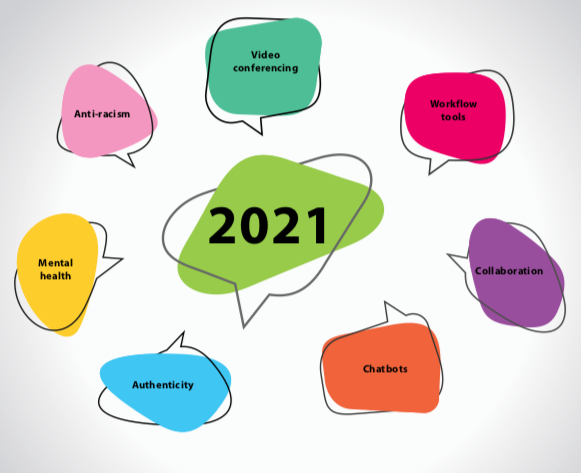
When asked to list the opportunities and risks they face in 2021, 59% cited the need to address increased levels of stress among staff.
The report points out that charities are facing increased demand for their services, amid income losses.
The report adds: “The headline finding from the research is that 2021 will be the toughest year yet for most small charities, characterised by what we are calling the ‘Scissors Effect’ facing charities -of rising needs and falling income. That 2021 will be similar to 2020 in its impact on society and on charities is only part of the story.
“What makes the Scissors Effect so concerning is that 2021 comes after a year which has drained income, reserves and capacity across so many small charities. The toll is evident in our other findings, including that mental health is the number one concern at work for small charity leaders.”
Other concerns raised by charity leaders include ensuring staff and volunteers can develop their skills (61%), difficulties managing staff and volunteers remotely (49%) and ensuring staff take holidays and avoid presenteeism (45%). Presenteeism is where staff work while ill, often because they are insecure about their job.
Earlier this month the Small Charities Coalition warned that more needs to be done to ensure charities can support the mental health needs of staff.


Latest News
-
Arts venue charity to close after ‘exhausting all possible alternatives’
-
Hospice charity repeatedly targeted by criminals launches appeal to improve security
-
Children’s charity refreshes brand to be clearer ‘about who it is’
-
Monday movers – 12 October 2026
-
Council terminates charity’s £8.57m children's care home contract early amid staffing concerns
-
Charity boss shows her 'vulnerability' as she posts emotional grant rejection video



Beyond the funding squeeze: Using equities to secure your charity’s future
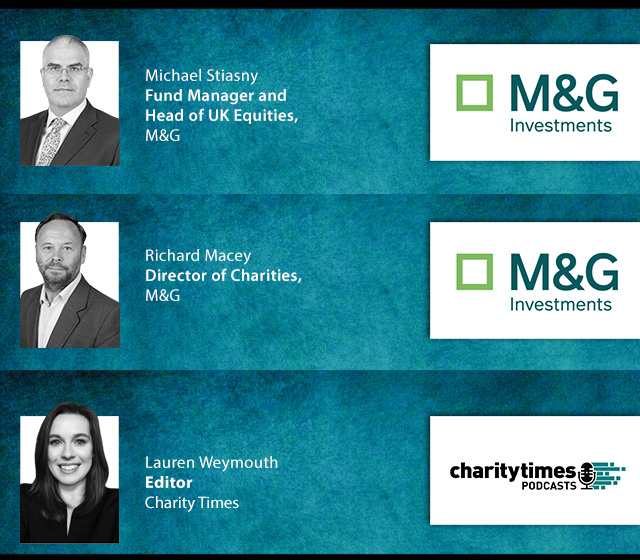
With charities facing increasing financial pressure and traditional income streams under strain, making investments work harder has never been more important. M&G’s Richard Macey and Michael Stiasny join Charity Times to discuss why equities remain a vital long-term asset class for charities, how organisations can balance income generation and growth, and the opportunities the current market environment may offer to help strengthen financial resilience.
Charity Times Awards 2023
Charity Times video Q&A: In conversation with Hilda Hayo, CEO of Dementia UK
Charity Times editor, Lauren Weymouth, is joined by Dementia UK CEO, Hilda Hayo to discuss why the charity receives such high workplace satisfaction results, what a positive working culture looks like and the importance of lived experience among staff. The pair talk about challenges facing the charity, the impact felt by the pandemic and how it's striving to overcome obstacles and continue to be a highly impactful organisation for anybody affected by dementia.




© 2021 Perspective Publishing Privacy & Cookies
Recent Stories